
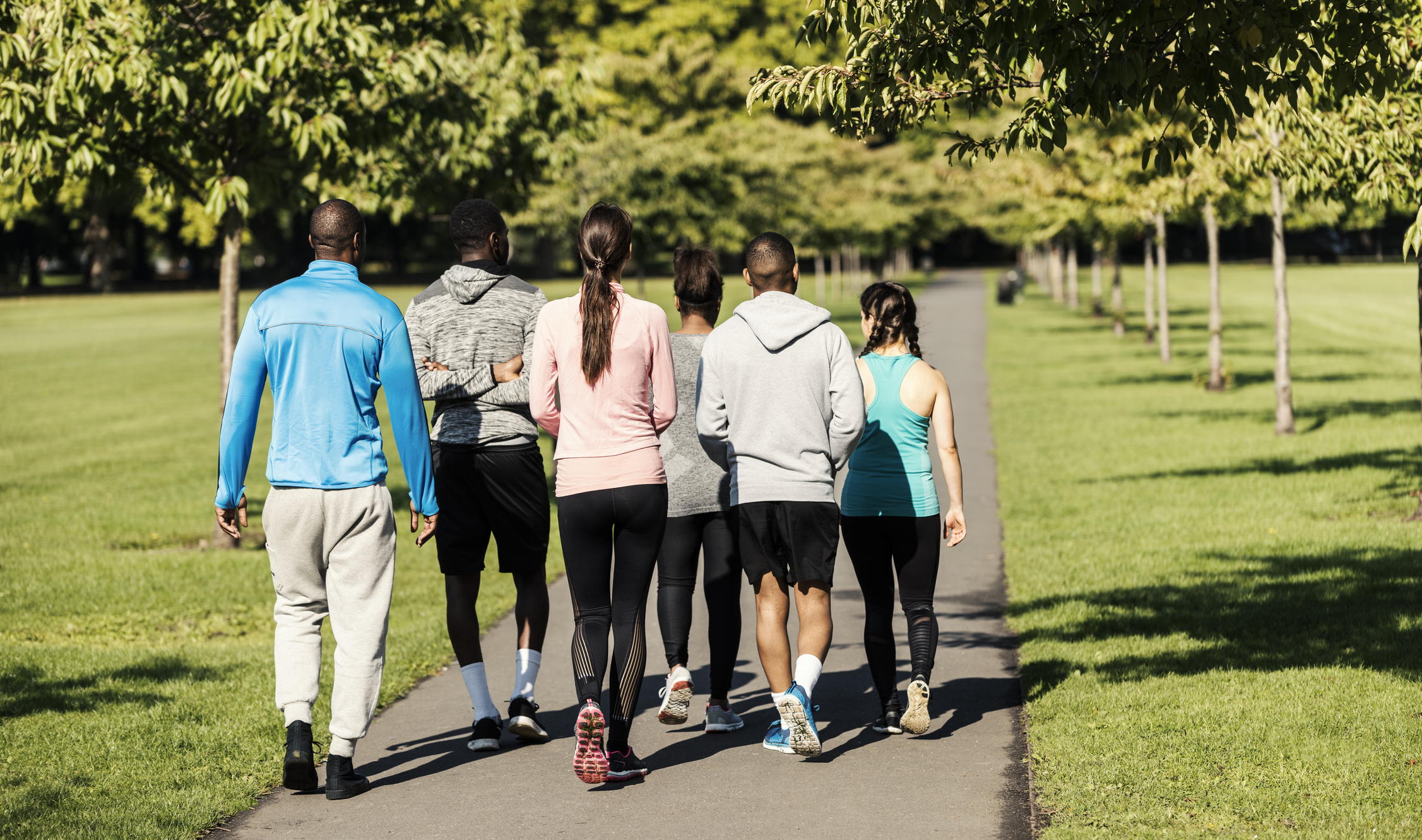
On the grounds of a school, I hear one educator say to another, “I’m short on my steps today, want to take a few laps with me?” And suddenly a walking challenge is more than a walking challenge; it’s a point of connection and community.
In another hallway, a principal tells their staff, “today’s staff meeting is being shortened by 15 minutes, so you have time to get some more steps in!” and suddenly the walking challenge is more than a walking challenge, it’s a message from leaders that they care about their employees’ physical and mental well-being.
In another community, an educator walks laps around the school’s track, prompting a student to ask why. “Because it helps me feel better,” the teacher says. And suddenly, the walking challenge is more than a walking challenge, it’s modeling to youth that taking care of your body is as important as your mind.
For years, I have consulted with organizations of all sizes and in all industries whose wellness program includes some type of physical activity challenge or group event(s). They are fun, encourage people to move their body, and create friendly competition. It’s tempting to think physical health will be completely transformed in six weeks (spoiler alert, not likely). But meaningful improvements are possible—just not always in the ways organizations anticipate.
If you have an activity challenge, and only promote it as an activity challenge, it’s like using your smart phone to only make phone calls. It can do that, it is designed to do that, but it can also do so much more.
I’ve asked many people “what makes you feel supported at work?” and the answer is usually about being trusted to do their job, feeling seen and heard, and when support is offered during a difficult (often personal) time in life. Almost no one says, “because my job does a walking challenge.”
That’s where true leaders make the difference in well-being. A walking challenge is more than just a walking challenge—it’s an opportunity to build connection, momentum, and shared purpose. With the right framing, participants are reminded that what they’re gaining goes far beyond the challenge itself.
Need more ideas? Help your employees stay healthy and engaged by downloading the Starting a Workforce Well-Being Program toolkit and creating a program for your team.